
Amora

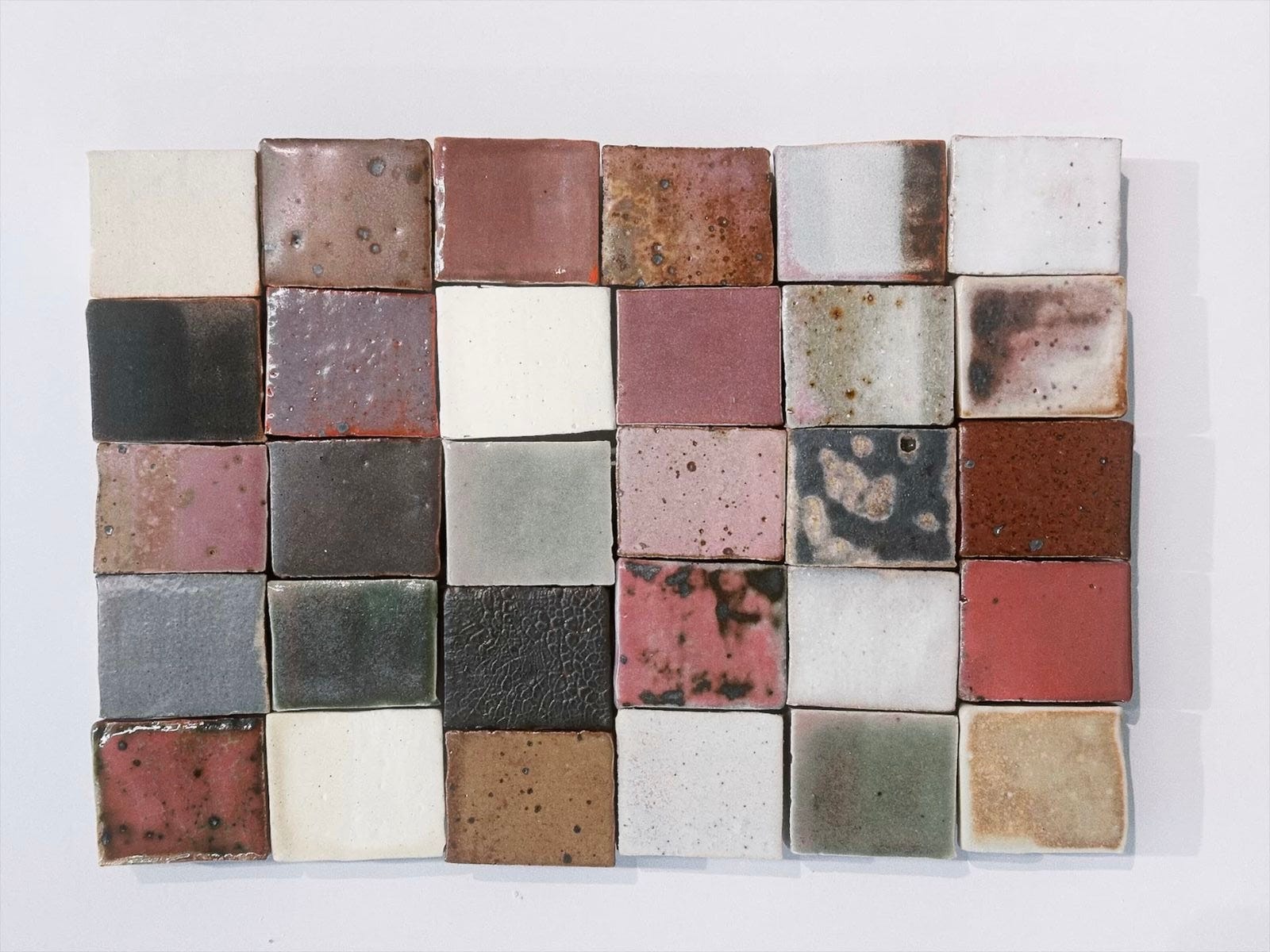
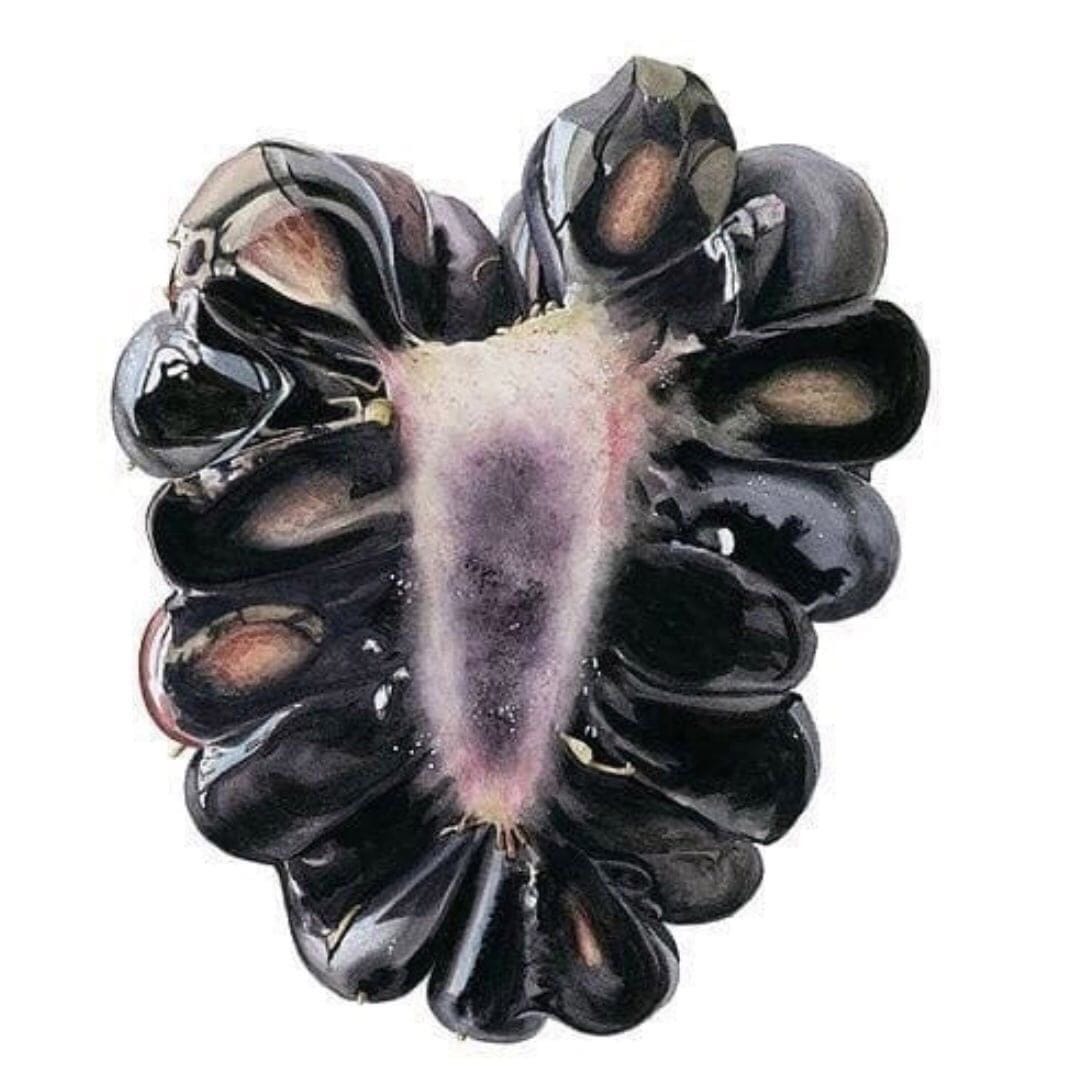
Amora is the name of a berry that’s very common in Brasil, and it was a fairly prominent, and unusually special, part of my childhood.
The thing about amoras - or so I thought - is that they thrive in cold weather. With Brasil being a tropical country, and thus warm most of the time, as a kid I could only find them in one specific place, a specific neighborhood.
My parents divorced when I was around 5 years old, and years later, my dad started dating someone new. She lived in a beautiful wooden house on the outskirts of Belo Horizonte, a private, gated community where everyone knew each other. The neighborhood was in a different county from the one we lived in, and, because of the difference in altitude, it was always several degrees colder over there, no matter the season. Her house was surrounded by glass, and in the very center, there was a real tree trunk that the house was built around. At certain times of the year, which I assume were the winter months but I am now too far removed to know for sure, this neighborhood would be sprinkled all throughout with little trees brimming with ripe amoras.
The trees where these berries grow are not very tall, so we could easily reach them even at the unripe age of 10. That, along with the fact that the area was gated and therefore deemed pretty safe, created the very unique condition that we kids could wander around unsupervised, making it our own independent mission to walk up and down the cobble streets looking for amoras, with no one watching us.
This neighborhood was, and still is, a very special place for those who are lucky enough to have access to it. It’s about a 30-minute drive from the city, tucked away in a hilly, mountainous area, surrounded by lush nature, and an abundance of hiking trails, and it is often covered by a thick, misty layer of fog that would force us to put on real sweatshirts (usually unheard of, and not very needed, in the part of Brasil where I’m from).
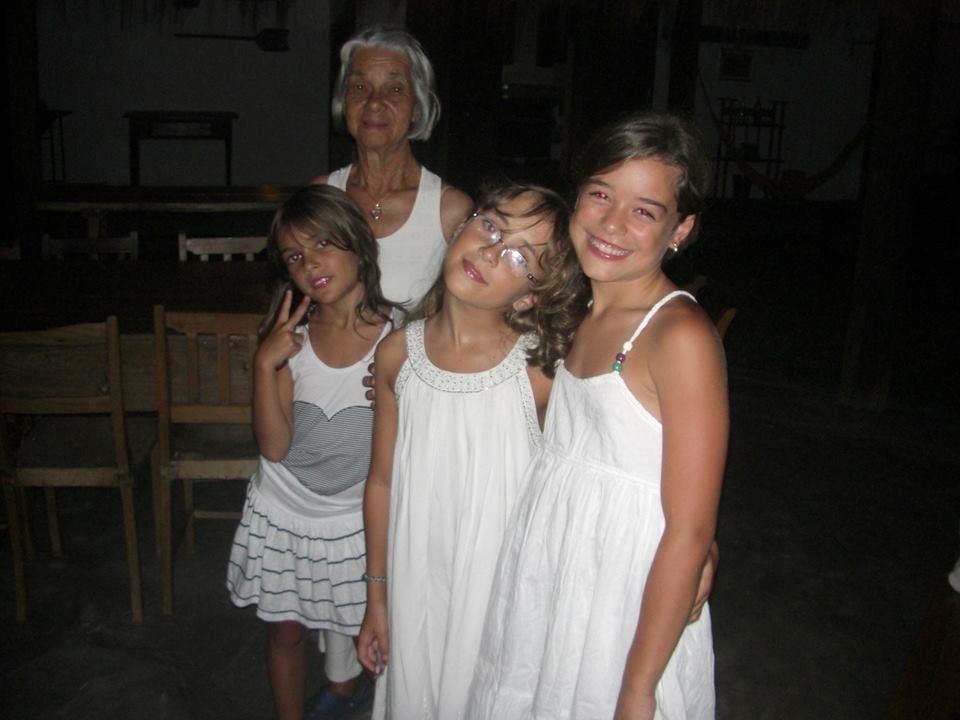
Me, my sister, and my dad’s new partner’s daughter (to this day one of my best friends), would walk around for hours, reaching for the plumpest amoras we could find, and staining our hands, faces, and clothes with their bright purple juice. If we happened to pick too many, we would bring some back to the adults at the house.
Amoras always felt like a treat to me because they aren’t sold in stores. Maybe because of their fragile nature and their very short life span, they are not a commercially viable fruit. In my childhood, they only existed outdoors, hanging from the very trees they sprouted from, being the main goal and sole attraction of our childish expeditions.
This went on for years, and even though our innocent bewilderment eventually thinned as we grew older, and walking around the streets by ourselves wasn’t such a novelty anymore, we would still do it often whenever it was amora season.
My dad and the woman eventually broke up, and although her daughter and I kept being good friends, I stopped going to the hazy neighborhood altogether. In my remaining years in Brasil, although I did see and even tasted amoras in other contexts, they were never quite present in my life as they were in those years.
That is, until summer of last year, when I moved to New York City.

The apartment I rented (and still do) in the East Village is surrounded by community gardens, with flowers and trees that are tended by my very own neighbors. Last summer, as I aimlessly but frantically walked around Manhattan, trying to get a lay of the land and situate myself in my new surroundings, I realized that my inevitable return to the East Village was always marked by micro-explosions of bright, purple juice on the sidewalks. I came to realize that they were from nothing but juicy and ripe amoras, hanging from trees above my head.
I quickly understood that, first, amoras do exist outside Brasil and outside the context of my childhood. Second, that here they are a summer fruit, and thus in the months of June, July and August, they are absolutely everywhere. Hanging from their trees, getting stepped on in the sidewalks, littering the community gardens.
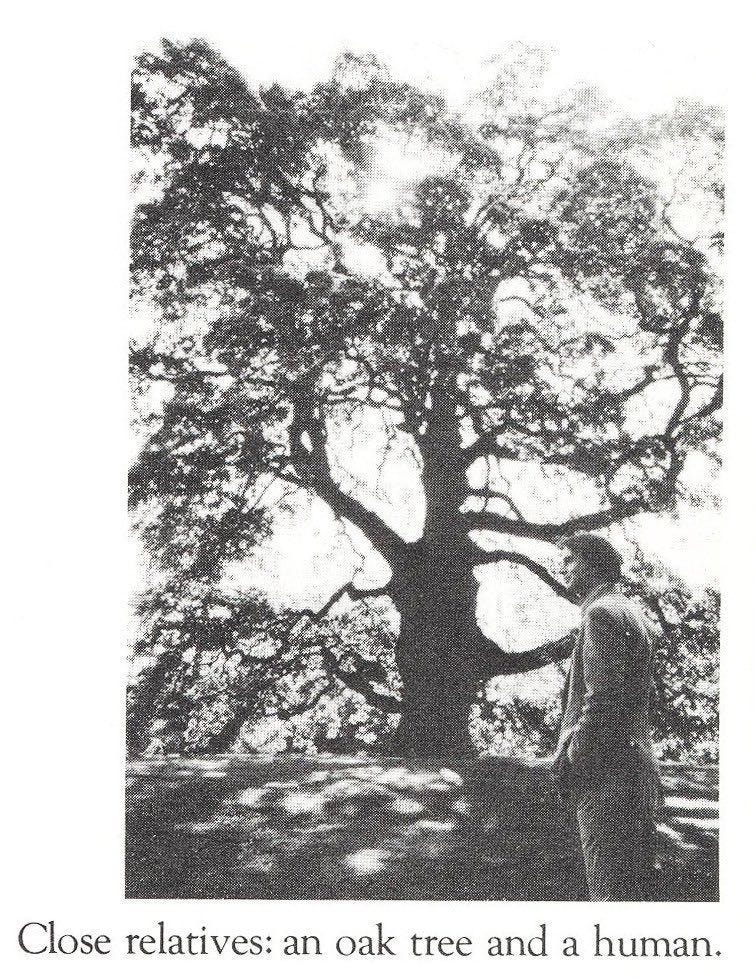
Here, too, they grow mostly from tall, big trees that reach up to the third floor of buildings. I know this because as I write from my dining room table, I can see from my window my neighboring tree, which happens to be an amora tree brimming with fresh, ripe berries, as green and lush as ever.
Last summer, beaming with excitement at having the precious little berries populating my life again, I went down a Google rabbit hole searching for their name in English (Mulberry? … I am still not convinced). I also wanted to know why they were all over New York City in the summer, and most importantly, I wanted to know whether they were edible.
-
“If I were you, I wouldn’t eat them” said a friend of mine. “They’re city berries, they have city air all over them”. Fair point.
So, despite temptations, that whole summer I refrained from tasting them. It took a whole year, including the dreadful winter months in which they completely disappear, for me to finally try one.
The experience was deeply disappointing. The berries tasted of nothing, they had barely any purple juice in them, and they seemed so sad and meek in the palm of my hand, not even being able to stain it like they did when I was a little girl.
And maybe there is a metaphor there, a deeper message about the passing of time, the lost magic of childhood, or the fragility of those berries that once were so special to me.
But maybe there isn’t. Maybe there are only the amoras, still hanging from their trees somewhere in that foggy neighborhood in Brasil — where I no longer live, and neither do most of my friends — and their weaker American cousins, scattered across trees all over this concrete jungle.
And maybe I’m just lucky enough to have one of those trees right outside my window, within arm’s reach, if I ever dare to step out onto the fire escape.
The End. Thank you for reading.

Dada, I really liked your text. Sensitive, delicate, with well-placed words and feelings. A boyish, latent text. ♥